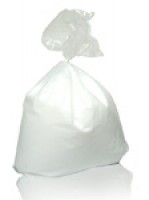
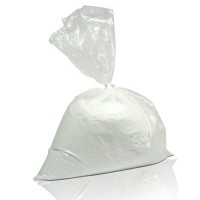
very light and fluffy. you end up using more than you think you will. get 2 bags.
Scott B
 Verified Purchase
3M Glass Bubbles 1 Lb.
October 14, 2026
Great microspheres. When you have opened the bag, try to avoid a sneezing fit. Dont ask how I know this.
Daniel R
Verified Purchase
3M Glass Bubbles 1 Lb.
September 15, 2026
Excellent service and very prompt shipping!
Ricky A
Verified Purchase
3M Glass Bubbles 5 Lb.
February 19, 2026
Saves a lot of money compared to the smaller amount at West Marine
James K
Verified Purchase
3M Glass Bubbles 5 Lb.
February 9, 2026
shipping was very prompt. The price was very reasonable for a small amount of specialty material.
Raptor R
Verified Purchase
3M Glass Bubbles 1 Lb.
January 30, 2026
Excellent service and speedy delivery
Russell B
Verified Purchase
3M Glass Bubbles 1 Lb.
October 14, 2025
Works as advertised.👍
Lilcopters
Verified Purchase
3M Glass Bubbles 1 Lb.
October 1, 2025
great products and fast service A+++
Nathan A
Verified Purchase
3M Glass Bubbles 5 Lb.
September 24, 2025
Absolutely perfect product for my intended purpose. This product was used as an epoxy glue add in to keep the epoxy stiff and in the position it was put instead of flattening out with the affect of gravity. Used on giant scale radio controlled aerobatic aircraft.
David F
Verified Purchase
3M Glass Bubbles 1 Lb.
September 19, 2025
Fine as usual
Patrick S
Verified Purchase
3M Glass Bubbles 1 Lb.
July 8, 2025
Gui P
Verified Purchase
3M Glass Bubbles 1 Lb.
April 9, 2025
Work great like expected!
Thanks for the quick delivery!
Pierre B
Verified Purchase
3M Glass Bubbles 1 Lb.
December 10, 2024
I have achieved good results with this product
Oleksandr L
Verified Purchase
3M Glass Bubbles 1 Lb.
October 8, 2024
Oleksandr L
Verified Purchase
3M Glass Bubbles 1 Lb.
October 8, 2024
Brian R
Verified Purchase
3M Glass Bubbles 1 Lb.
August 14, 2024
As advertised
Nathaniel E
Verified Purchase
3M Glass Bubbles 5 Lb.
June 15, 2024
Rogers G
Verified Purchase
3M Glass Bubbles 1 Lb.
June 5, 2024
Great product
Grueninger A
Verified Purchase
3M Glass Bubbles 1 Lb.
May 21, 2024
Used this product with polycrylic as a filler on my model airplanes. Fills great sands even better.
Harvey A
Verified Purchase
3M Glass Bubbles 1 Lb.
April 9, 2024
Jim G
Verified Purchase
3M Glass Bubbles 1 Lb.
February 13, 2024
Lindsay A
Verified Purchase
3M Glass Bubbles 1 Lb.
October 31, 2023
Jim K
Verified Purchase
3M Glass Bubbles 1 Lb.
October 30, 2023
Easy to use, works great.
Peter G
Verified Purchase
3M Glass Bubbles 1 Lb.
August 15, 2023
Gary T
Verified Purchase
3M Glass Bubbles 1 Lb.
August 1, 2023
bought since 1993
Thomas L
Verified Purchase
3M Glass Bubbles 1 Lb.
June 28, 2023
John B
Verified Purchase
3M Glass Bubbles 1 Lb.
June 13, 2023
good customer serv ice
Kermit K
Verified Purchase
3M Glass Bubbles 1 Lb.
May 24, 2023
Very fast delivery!
Garrett C
March 22, 2023
Bob N
Verified Purchase
3M Glass Bubbles 1 Lb.
December 28, 2022
We are experimenting with them. Seem to be excellent quality.
William B
Verified Purchase
3M Glass Bubbles 1 Lb.
September 15, 2022
Perfect qty for DOE.
John S
Verified Purchase
3M Glass Bubbles 1 Lb.
August 9, 2022
5 stars
Roland H
Verified Purchase
3M Glass Bubbles 1 Lb.
August 4, 2022
Very good quality item, as described and expected. Super fast delivery. Thank you!
Elza K
Verified Purchase
3M Glass Bubbles 5 Lb.
July 28, 2022
Great product and price!
Lorenzo R
Verified Purchase
3M Glass Bubbles 5 Lb.
May 31, 2022
Microballoons!! Igh...ACS makes some things harder to find than others.
1 pound of this is like almost a gallon amount...little less.
Must have for if you are creating fairings.
Dan K
Verified Purchase
3M Glass Bubbles 1 Lb.
February 24, 2022
Nothing much to say. It is what it is.
Eric V
Verified Purchase
3M Glass Bubbles 1 Lb.
February 3, 2022
Always in stock, and great prices!
Top F
Verified Purchase
3M Glass Bubbles 5 Lb.
September 14, 2021
Excellent product!
George E
Verified Purchase
3M Glass Bubbles 1 Lb.
September 9, 2021
Best prices on fillers. Use to make a smooth fairing compound with epoxy resin and colloidal silica (cab-o-sil). Works great!
Eric B
Verified Purchase
3M Glass Bubbles 1 Lb.
August 24, 2021
Very Fine! Be sure to wear a respirator while mixing and sanding. Worked great!
George W
Verified Purchase
3M Glass Bubbles 1 Lb.
August 10, 2021
very good
Andy C
March 30, 2021
I’ve been a customer of AS&S since 1982. They have what us homebuilders need Always.
This product is essential to composite construction. Great value .
Chuck C
November 20, 2020
Exactly what I was looking for. Great packaging! Arrived quickly and no damage
Michael G
September 4, 2020
Always clean and dry. Same great product that Aircraft Spruce always offers.
Dale M
July 30, 2020
Received in good condition. Micro balloons for Hysol work on my Kitfox.
Bill M
April 4, 2020
This is a superb low density epoxy filler (ArtResin - strong bonding, syrup initial viscosity) at a low price/volume (about 30% void space fill for a thick paste). The spherical filler allows high solids loading for a given final viscosity. ALWAYS PRE-MIX THE EPOXY! Add filler, mix carefully (dusting), pause to allow the epoxy to wet, then mix some more (dilatant fluid). Patience.
Al S
January 28, 2020
Good source of micro spheres at fair price with fast shipping.
Dwight
October 22, 2019
Liked this product and have always used glass bubbles with fiberglass and it is a great product
Modesto V
October 15, 2019
I use this product mostly as a lightweight filler. I also appreciate that this is shipped double-bagged.
Chris D
July 15, 2019
Using EA9309NA with the beads to create a smooth filler and matt application for a repair with Vac bagging, works great.
Clay
April 25, 2019
Upon the recommendation of other guys in the classic car hobby, I used these beads to make a heat and sound insulating paint for the floor of my old Dodge. It mixes very well and goes on nicely. I wont know how well is works for a while yet, but I know from the testimony of others, that it does indeed make a huge difference. Thank you.
Darrell
April 14, 2019
Glass Bubbles make your epoxy light and stiff to hold shape (Micro). For structural uses Flox is much stronger.
Buck S
March 9, 2019
As usual, Aircraft Spruce shipped fast with excellent packaging and for a great price. This 5 lb bag of micro is very white and light with no clumping. I really like it! The 5 lb represents many hours of sanding on my Cozy, so I resent this product as much as I like it.
Andrew A
September 27, 2018
Quirky, great thing about Aircraft Spruce - they always send just a little bit more than the ordered quantity. The 1 lb bag was 1 oz over, and the 5 lb bag shipped at 2.2 oz over. Now back to building the Cozy....
Pk
September 8, 2018
As expected, extremely fine.
Greg L
September 6, 2018
Fine powdery bubbles, kinda like dry flour. Mix a little or a lot into epoxy to control viscosity for fillets.
Nick
May 20, 2018
Super fast delivery and excellent product! Thanks! Did I forget best price as well???? :)
Lollo
March 16, 2018
I have used a lot of this on the construction of my Velocity and it has worked great from lay-ups with micro in the radius to filling and sanding to primer. The packaging is great! double bagged to stop loss from handling. I will continue to use this until my plane is done..
James E
November 24, 2017
Good product. Prompt delivery and well packaged.
Charlie E
November 9, 2017
Works well with the EZPoxy for student composite projects.
Ed B
October 19, 2017
Best price around! Thank you
Lorenzo R
August 25, 2017
ok!!thanks
Charles K
August 14, 2017
I mix microbubbles with architectural epoxy as part of the internal and external seals on long term survivable messages in bottles in the Southern Sea. The syntactic foam is destructively tested to be exceptionally resistant to seawater and sunlight (Ozone Hole! UV cleaves ordinary epoxy resin in two places/molecule).
Uncle A
April 20, 2016
works!
Thomas N
June 3, 2020
Too pricey, but stuff!
Thomas N
May 10, 2020
I am using this product now to thicken my two part epoxy for structural wood. I previously used a similar product sold by ACS but appears to have been discontinued or not available. Although I preferred the previous filler to this product, this product does the job by forming a milk colored glue that works just fine. Take somewhat more of this filler than the previous product I refer to. Sorry, I cannot remember the previous product name, but should be on my records with ACS.
Fritz M
September 21, 2017



 Contact Us
 Call Us
 Sign In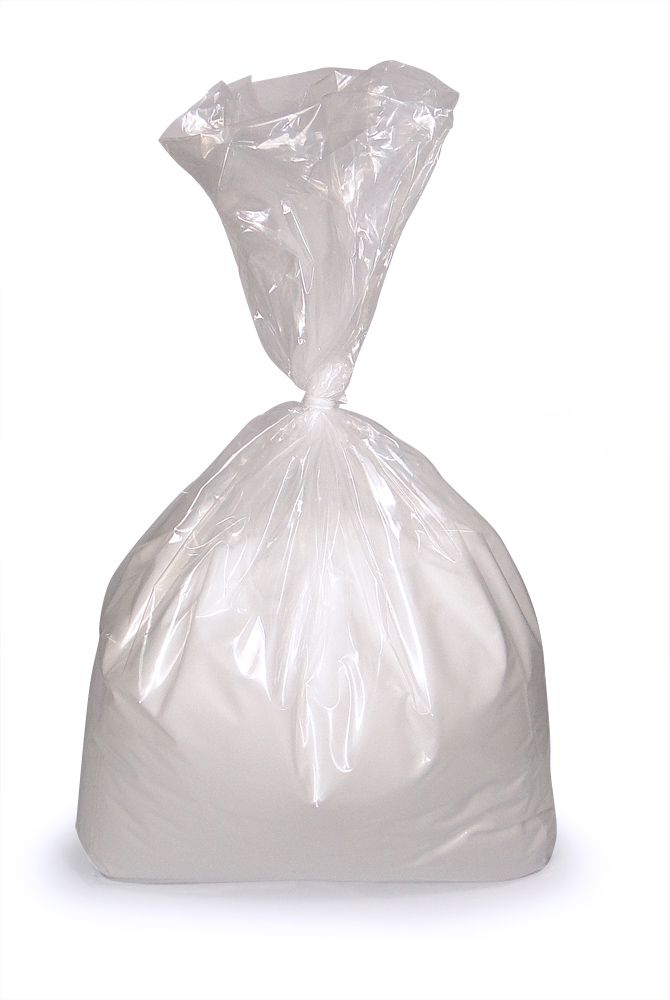


 FREE Shipping