1-877-4-SPRUCE | info@aircraftspruce.com
Aircraft Spruce & Specialty Co.
Aircraft Spruce & Specialty Co.


 Contact Us
 Call Us
 Sign In
 FREE SHIPPING ON ORDERS OVER $350 (SOME EXCLUSIONS APPLY) | 877-4-SPRUCE
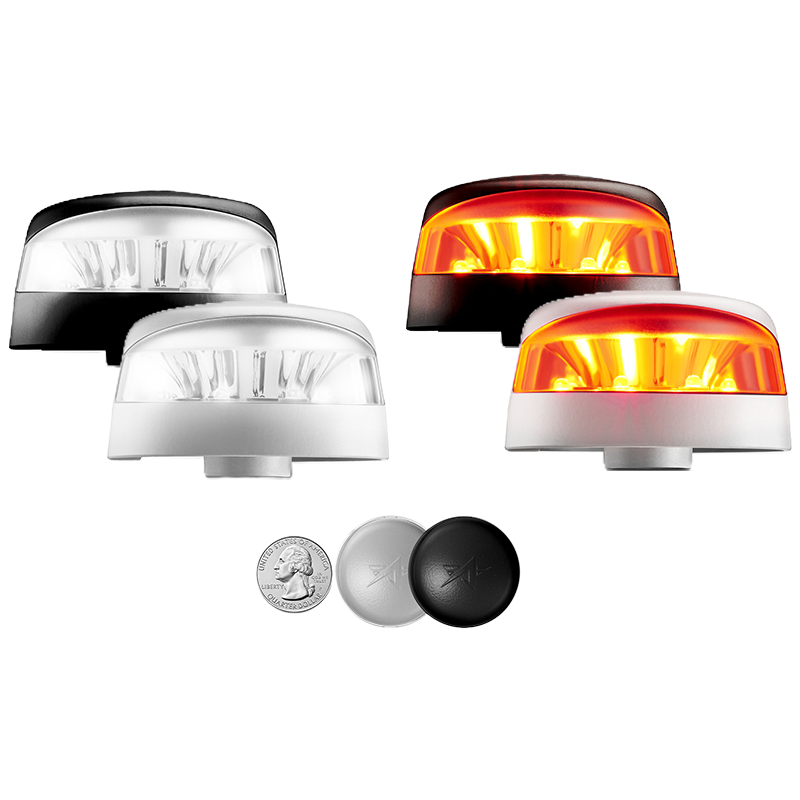
- Photo may represent series and not specific product
- SHARE


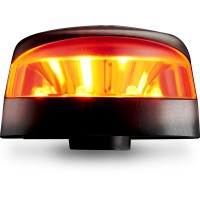
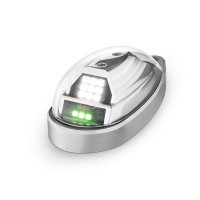
AeroLEDs NANO Beacon Anti-Collision Light for Experimental Aircraft
Select Color:
RedWhiteSelect Voltage:
14V28VSelect Base Color
Silver BaseBlack Base FREE Shipping
- JUMP TO
- Overview
- Features
- Specifications
- Reviews
- Q&A
Overview
|
The NANO™ Beacon is a compact, high output LED anti-collision light engineered specifically for aircraft and platforms where space, weight, and power availability are limited. Its ultra compact footprint allows installation in locations not traditionally accessible to standard beacon systems, making it an ideal solution for experimental aircraft, general aviation, rotorcraft, and UAV/UAS applications alike. Despite its small form factor, the NANO™ Beacon is designed to deliver high-intensity anti-collision visibility, enhancing aircraft recognition in a compact, low-profile package. Available in both Red and White configurations, it offers a versatile and efficient solution across a wide range of aircraft types and mission profiles. Designed with low power consumption and flexible mounting capability, the NANO™ Beacon can also serve as a ground recognition or auxiliary visibility light with minimal impact on electrical systems. Housing options include durable black or silver powder coated finishes for seamless integration with various aircraft exterior designs. As part of the AeroLEDs NANO™ Series lighting family, the NANO™ Beacon is designed to complement NANO™ Wingtip lights and can be synchronized to provide a cohesive lighting appearance across the aircraft. The Nano™ Beacon is an experimental-use product and does not hold any FAA certifications or approvals. This product is not approved for use on certified aircraft and is not recommended for night flight operations. |
 |
WARNING: Cancer and Reproductive Harm - www.P65Warnings.ca.gov. |
Features
- 360-Degree Illumination: Superior visibility with anti-collision strobe.
- Power Options: Compatible with 12V and 24V systems.
- Energy Efficient: Low power consumption with no external power supply required.
- Strobe Synchronization: Available for multi-light setups.
- Easy Installation: Optional 3.75" cup mount.
Specifications
- Current Draw:
- 14VDC: 0.33 Amps (Average) 1.2 Amps (Peak)
- 28VDC: 0.16 Amps (Average) 0.6 Amps (Peak)
Length: 1.58" Width: 1.58" Depth: 0.88"