
Aircraft Spruce & Specialty Co.


 Contact Us
 Call Us
 Sign In
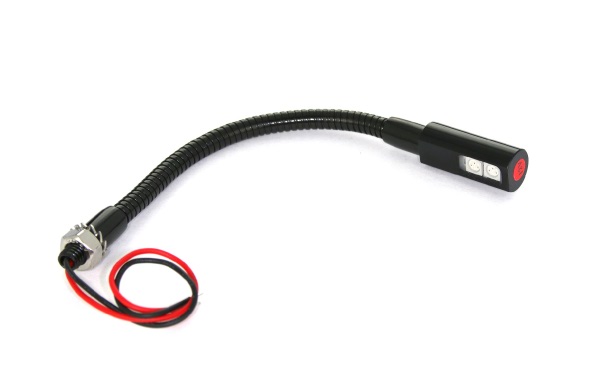
- Photo may represent series and not specific product
- SHARE


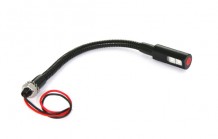
Britta 120MM Mini Gooseneck Lamp 12VDC Red
MFR Model# MGN-120MM-RED-12V
 FREE Shipping
- JUMP TO
- Overview
- Reviews
- Q&A
- View in Catalog
Overview
|
This mini gooseneck lamp is a versatile, flexible-shaft lamp designed as a map light, chart light, and panel light. The flexible shaft permits the lamp to stand-off and illuminate a larger panel surface, or double as a flexible chart light or map light. When mounted on instrument panels or consoles, the lamp provides a bright and directional lighting source. The 1/4" shaft is flexible yet rigid enough to retain its shape during use.
|
 |
WARNING: Cancer and Reproductive Harm - www.P65Warnings.ca.gov. |







Reviews
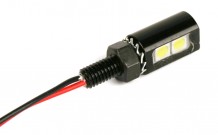
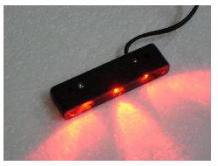
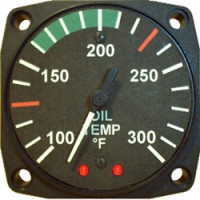
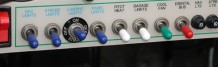
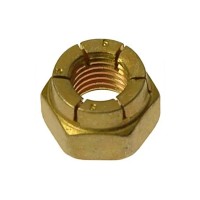
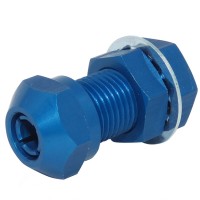
The Britta gooseneck red LED auxilliary panel light is perfect. The application is a recently added system panel voltmeter that doesnt illuminate. The BRITTA light has a short metal goosneck that mounts very well using a 0.25 panel hole. The appliance comes with a sturdy external tooth lockwasher and a tall stainless nut that threads on to a metal hollow bolt detail on the panel end of the appliance. The two wires, red and black, need to connect to a fused +12 volt buss, or to a Panel Illumination +12 volt Switched Buss. Of course, a Grimes Light accessory would be the best, but the panel meter is too tall off the panel surface for a Grimes to focus, hence, the Britta. Once again, very pleased with Spruce.
 Verified Purchase
Britta 120MM Mini Gooseneck Lamp 12VDC Red
Q&A
Please note, Aircraft Spruce ®'s personnel are not certified aircraft mechanics and can only provide general support and ideas, which should not be relied upon or implemented in lieu of consulting an A&P or other qualified technician. Aircraft Spruce ® assumes no responsibility or liability for any issue or problem which may arise from any repair, modification or other work done from this knowledge base. Any product eligibility information provided here is based on general application guides and we recommend always referring to your specific aircraft parts manual, the parts manufacturer or consulting with a qualified mechanic.
No. This unit does not have an on/off switch.
They are usually considered "minor alterations" but that is determined by the A&P.
These are dimmable using either PWM or traditional rheostat dimmers. (However, PWM works better).
